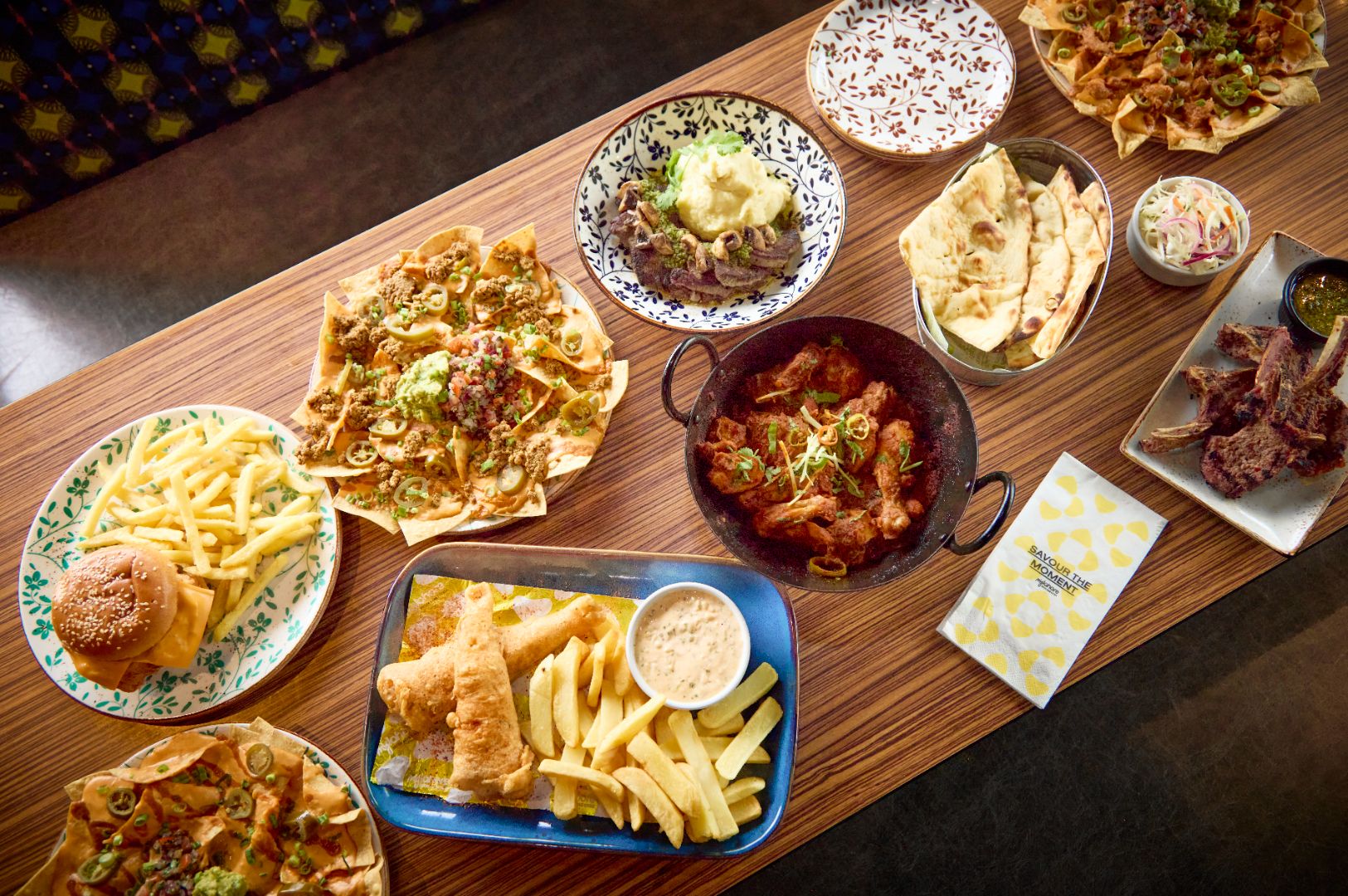
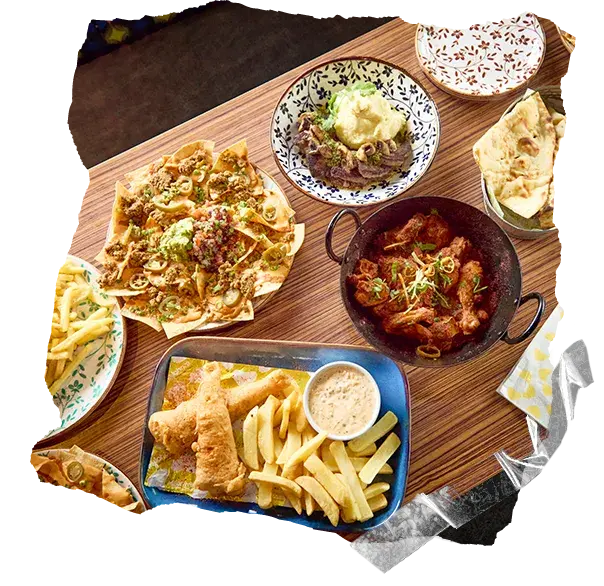
A karahi is more than just a pan; its deep, circular shape and thick metal walls are essential for developing the deep, charred flavours found in the best Lahori cuisine. Unlike a standard saucepan, the karahi allows for a high surface-to-volume ratio. This means moisture evaporates quickly, allowing the spices, ginger, and garlic to temper in the oil, clinging tightly to the meat rather than being lost in a thin gravy. This technique is often why everyone loves MyLahore’s lamb chops and authentic karahis, as the intense heat locks in the juices. If you are looking for the best curry to try at MyLahore, a karahi dish is a fantastic way to experience this depth of flavour.
When you experience the MyLahore dining experience, you might notice the way the sauce at the edges of the vessel has a slightly deeper colour. This is the result of ‘bhuna’—the process of intense frying and stirring. Metal karahi cooking benefits from superior heat retention, ensuring that your meal stays piping hot from the first bite to the last. This is particularly vital when you are sharing, as the metal continues to radiate heat long after it has left the kitchen flame. For many diners, this sizzle is what makes comfort food so satisfying, providing a sensory experience that a cold ceramic dish simply cannot replicate. Even for those who prefer mild dishes if you do not like spice, the karahi method adds a smokiness that is hard to beat.
What Makes a Karahi Perfect for Sharing?
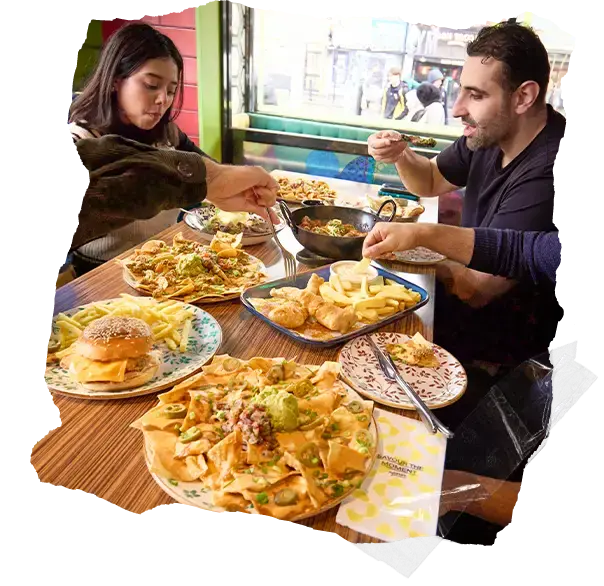
South Asian culinary traditions are founded on the principle of communal eating. The karahi is arguably the ultimate sharing dish because its open shape makes it easy for everyone to dip their naan or roti directly into the vessel. In a world where individual portions have become the norm, we believe there is something special about the blessing of eating together from a central pot. Our family meals at MyLahore often center around these sharing pots, showcasing how meals bring generations together.
To make sharing even easier, our Karahi dishes are now available in 1kg and half kg portions, so you can order the right size depending on whether it’s a table for two or the whole family. Both sizes are cooked, served, and best enjoyed straight from the same metal karahi they were made in, keeping the dish hot and the sizzle going long after it reaches the table.
If you are wondering which MyLahore dishes are best for sharing, the karahi is always at the top of the list. It sits at the heart of the table, acting as a focal point for the meal. This style of service is a cornerstone of our hospitality, encouraging people to slow down, talk, and enjoy the food as a collective experience. Whether you are celebrating graduations at MyLahore or just catching up on a Tuesday night, the vessel itself dictates a more social, interactive pace of dining. It is exactly this kind of shared, hands-on dining that has made us a family favourite across our restaurants, not just a place for special occasions. It is one of the reasons people choose MyLahore for group dining, and we can easily accommodate you if you are asking is MyLahore good for large groups.
A Bridge Between Tradition and Contemporary Style
We take pride in being a modern British Asian brand, but that does not mean we want to erase the past. Using the traditional metal vessel is a way of paying homage to our roots while operating in some of the UK’s most vibrant, forward-thinking cities. Much like how Manchester’s food scene blends cultures and what makes Birmingham’s food scene so diverse, our use of the traditional karahi integrates authentic technique with a contemporary restaurant setting. This commitment to the rise of halal dining in big cities ensures a premium experience for all guests.
It is one of the many things that make British Asian food unique. We take the rigorous standards of a professional kitchen and pair them with the humble, effective tools used by generations of home cooks. This dedication to the real way of doing things is why many people consider us the go-to Pakistani restaurant in Manchester and beyond, illustrating why mixing cultures in food works so well. It is about respect for the craft and what makes a restaurant feel memorable.
Will You Be Ordering the Karahi on Your Next Visit?