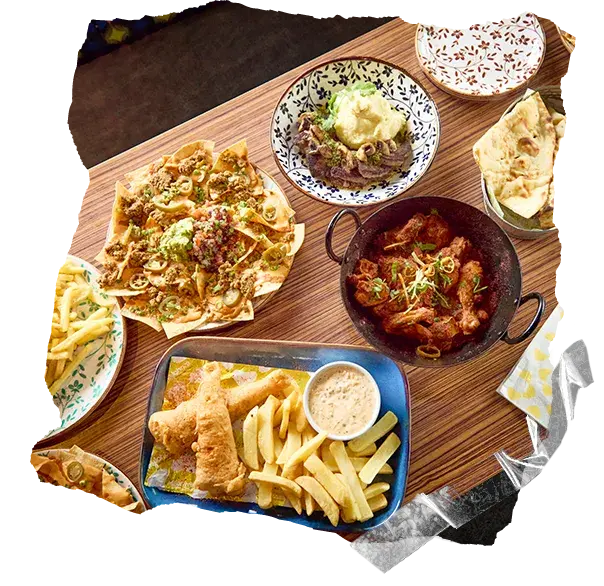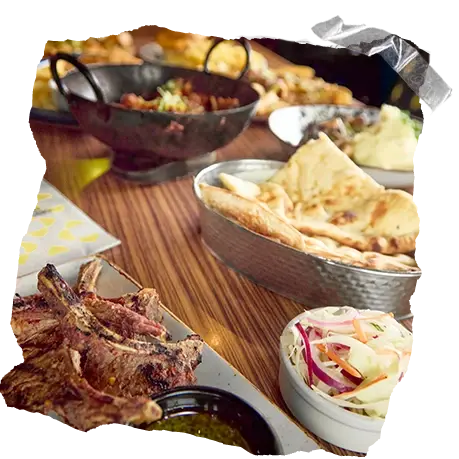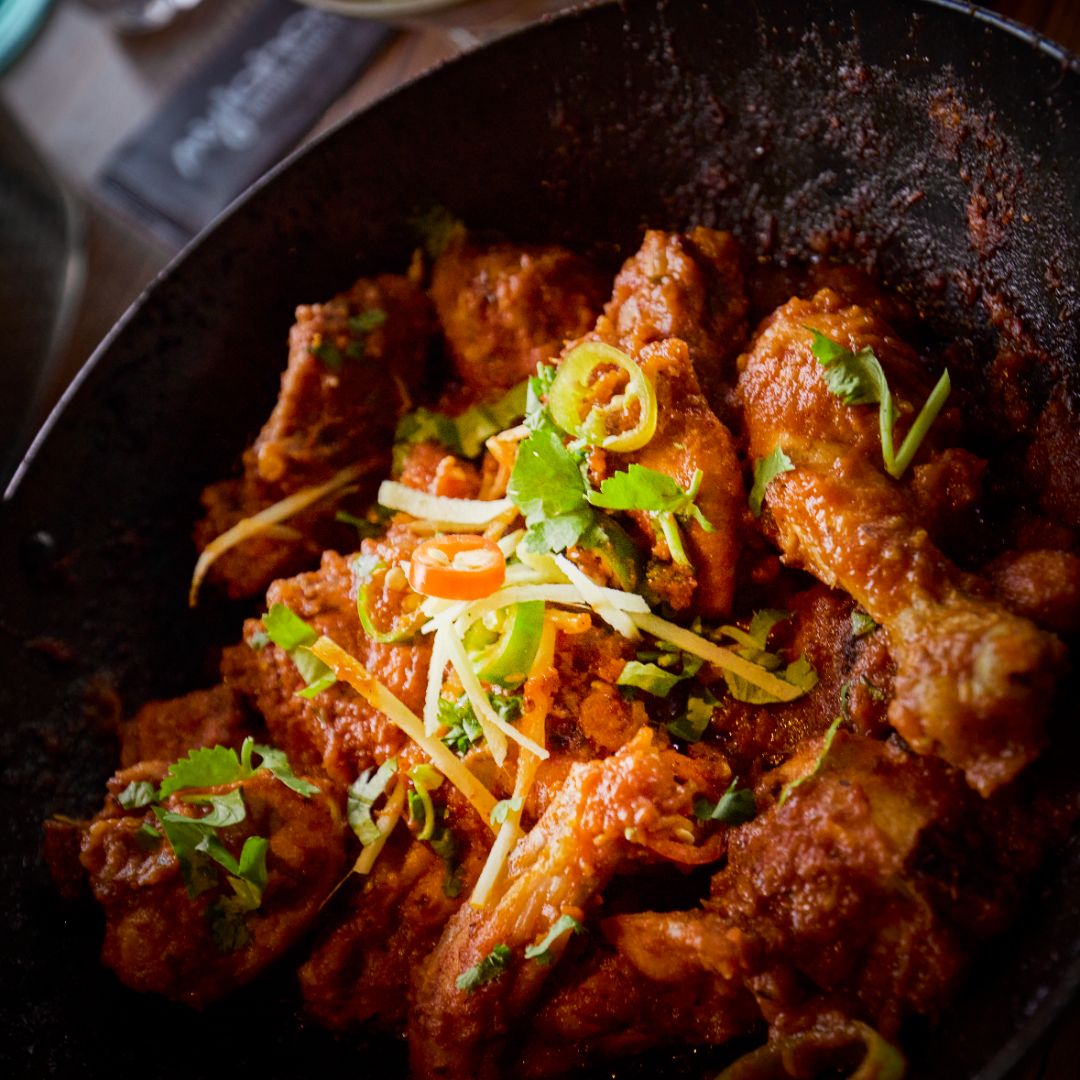
Walk into a bustling kitchen in Lahore or a vibrant restaurant in the heart of Manchester, and the rhythmic, metallic clanging of a spatula against a deep, circular wok is the first thing you will hear. This is the sound of a Karahi being prepared. It is a dish that defines a huge part of Pakistani history, shifting from a humble roadside necessity to a global symbol of heritage. Unlike many stews that simmer slowly in the background, a Karahi is cooked in the spotlight, usually over a high flame, with fresh ingredients tossed in at high speed to create a thick, spicy, and intensely savoury masala. This vibrant energy explains why Leeds has one of the most exciting food scenes in the north, as such authentic techniques are embraced by local diners.
For many families, the Karahi is more than just a menu item; it is a shared experience. Whether it is a late-night stop at a motorway dhaba or a weekend gathering at MyLahore Manchester, the sight of a steaming blackened pan being placed in the centre of the table signals that the meal has truly begun. It is arguably the ultimate communal dish, designed for people to tear off pieces of warm naan and scoop up the rich gravy together, reinforcing the blessing of eating together which remains central to South Asian culture. This deep connection between food and family shows how meals bring generations together in a way few other activities can.
The Nomadic Origins of the Karahi
The story of the Karahi begins long before the modern borders of Pakistan were drawn. Its roots are firmly planted in the Khyber Pakhtunkhwa region and the nomadic traditions of the Pashtun people. Historically, travellers and shepherds needed a way to cook meat quickly using portable equipment and minimal ingredients. The solution was the karahi itself, a thick-bottomed, two-handled pan similar to a wok but with a flatter base. Learning about these origins is part of understanding our background and the dishes we serve.
In its earliest form, the Karahi was remarkably simple. It often consisted of little more than lamb, salt, and animal fat, cooked over an open fire. As these nomadic tribes moved through trade routes, the dish evolved, picking up the use of tomatoes, green chillies, and ginger. This evolution is a perfect example of the top 5 things that make British Asian food unique today, specifically the ability of a recipe to adapt and thrive as it crosses borders. Such transformations contribute to how Manchester became a hub for global fusion food, welcoming diverse culinary influences.