
How Modern British Asian Dining Has Evolved
British Asian food has never stood still. What started as a handful of curry houses serving adapted dishes to a largely unfamiliar audience has become one of the most dynamic and genuinely creative corners of the UK dining scene. The change has not happened overnight, and it has not been driven by trends alone. It has been shaped by communities, by second and third generation cooks who grew up eating two food cultures simultaneously, and by diners whose expectations have grown alongside their familiarity with the food.
British Asian cuisine evolution: From Curry Houses to Something More Considered
The early history of British Asian dining is well documented. Restaurants opened to serve migrant communities and, in time, a broader British public curious about something unfamiliar. Dishes were adapted to suit local palates. Sauces became creamier, heat levels dropped, and a handful of dishes, Chicken Tikka Masala among them, became so embedded in British food culture that they stopped feeling foreign at all.
That adaptation was not a compromise. It was the beginning of something. The generation that grew up eating both their grandmother’s karahi and school dinner puddings did not see those two things as separate. They saw them as equally theirs. What makes British Asian food unique explores this inheritance in detail, and it is worth reading as context for everything that followed.
The Shift Towards Authenticity
The more significant change came when the children and grandchildren of those first restaurant owners started cooking professionally. They brought back techniques and ingredients that had been softened or left out entirely. Whole spices, slow cooking, regional specificity. Dishes that had always existed in home kitchens started appearing on menus. What makes Lahori cuisine different from other Pakistani food gives a sense of how much regional variation had been flattened by the early curry house model, and how much was waiting to come back.
The Role of Community
This evolution did not happen in isolation. It happened in cities like Bradford, Leeds, Manchester and Birmingham, where large British Asian communities had been building food cultures of their own for decades. The rise of halal dining in the UK’s biggest cities traces how demand grew as those communities expanded and as halal dining became a mainstream expectation rather than a niche requirement. What makes Birmingham’s food scene so diverse and why Leeds has one of the most exciting food scenes in the north both show how this plays out at a city level.
fusion Asian restaurants Britain: When Blending Cultures Became Deliberate
The most recent phase of British Asian dining has been marked by a more confident attitude towards mixing influences. Not the old model of adapting South Asian food to suit British tastes, but something more equal, where both traditions are brought in fully and allowed to coexist on the same menu without either being diminished.
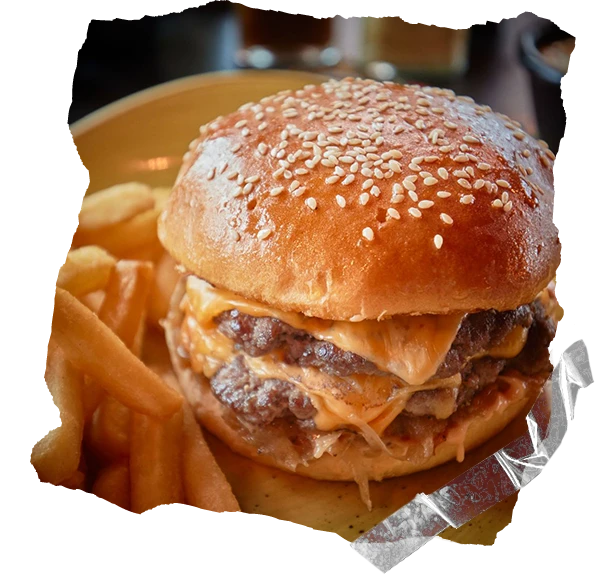
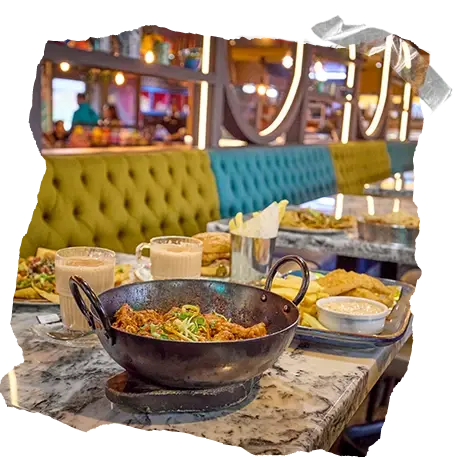
This is where restaurants like MyLahore sit. The menu carries karahi and nihari alongside smash burgers and lasagna. The Doodh Patti Chai is Yorkshire tea with milk and cardamom. The Dum Biryani is baked under a golden bread crust and served with raita or curry sauce. These are not compromises. They are the natural result of cooking for people who grew up with all of it. How Manchester became a hub for global fusion food and how Manchester’s food scene blends cultures together both examine how this dynamic plays out in one of the UK’s most food-diverse cities.
The Baked Parmesan is a good example of what deliberate fusion actually looks like in practice. Butterflied chicken breast in golden breadcrumbs, topped with onions, peppers, spiced mutton mince, MyLahore sauce, cheddar and jalapenos. It is recognisably a baked chicken dish and unmistakably a MyLahore dish at the same time. What is the Baked Parmesan at MyLahore goes into more detail on why it works.
South Asian dining UK: The Importance of Staying Rooted
Evolution in food can go wrong when the original is abandoned rather than built on. The restaurants that have moved the conversation forward in British Asian dining have done so while keeping one foot firmly in the traditions they come from. The flame grill is a good example. Seekh kebabs, malai tikka, flaming chops on the bone. These are dishes with deep roots in the cooking of Pakistani Punjab, and they appear on modern menus not as nostalgia but because they are genuinely brilliant.
What are the best starter dishes at MyLahore looks at how the chaat and pakora sections carry this tradition forward. The Meat Samosa Chaat, with its layers of chickpeas, potato, tamarind and papri, is a dish that has been eaten in some form on the streets of Lahore for generations. Serving it in a restaurant in Bradford or Manchester is not a dilution of that. It is a continuation.
The same applies to the dessert menu. Falooda and Gajrela sit alongside Jam Roly Poly and Cornflake Tart. What is Falooda and why do people love it and the difference between Falooda and Kulfi both explain the Desi classics for anyone coming to them fresh. Keeping these dishes on the menu alongside British pudding staples is a statement about who the restaurant is cooking for.
cultural dining experiences: Food as a Way of Belonging
One of the things that distinguishes the best modern British Asian restaurants from their predecessors is an understanding that the meal is about more than the food on the plate. The blessing of eating together and food and family: how meals bring generations together both speak to something that sits at the centre of South Asian food culture. Eating is communal. It is generous. It is the primary way that hospitality gets expressed.
That understanding shapes the atmosphere in MyLahore restaurants and it shapes the menu. Dishes come in sizes that suit sharing. Starters are built for the middle of the table. The karahi arrives in the pan. Why eating out is about more than just the food captures why this matters to the people who keep coming back.
A few things that characterise this generation of British Asian dining at its best:
- Menus that reflect both heritage and the reality of how people actually eat now
- Halal as a standard rather than a special requirement
- An atmosphere built for families and multi-generational tables, not just couples or solo diners
- Dishes that can be explained without apologising for what they are
modern British Asian food: Where to Experience It
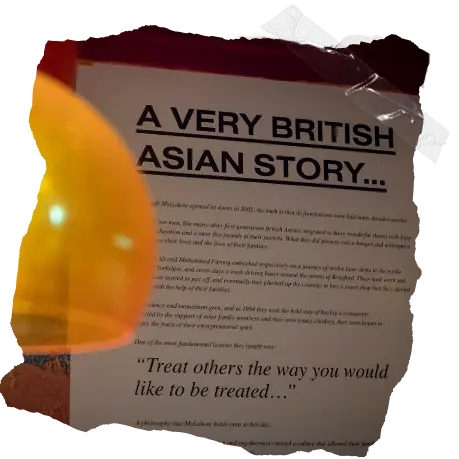
MyLahore has been part of this evolution since it opened in Bradford, and the MyLahore story is worth reading for anyone interested in how the brand grew from that starting point. There are now restaurants in Leeds, Bradford, Manchester, Blackburn and Birmingham, each serving the same menu to the same standard.
If you are visiting for the first time, what to expect when you dine at MyLahore and what should you order on your first visit are both useful before you arrive. For families in particular, best restaurants in Bradford for families gives a broader picture of what to expect across a full meal.
Bradford delivery is available through the Bradford delivery service for eating at home. By MyLahore handles catering for weddings and corporate events, and Ranges by MyLahore offers ready to grill food, tray bakes and cakes for delivery and collection.
Check the restaurants overview for everything in one place, visit the FAQs for common questions, or get in touch directly. Follow on Instagram, Facebook and TikTok to see what is coming out of the kitchen.