
Why Ramadan Brings People Together: The MyLahore Community Experience
For a lot of people, Ramadan is the favourite month of the year. Not despite the fast, but because of everything that surrounds it. The days get quieter. The evenings get louder. And the table, wherever it is set, becomes the point of the whole thing.
This is what Ramadan actually does to people. It narrows the day down to something simple and then fills the end of it with everything that matters: food, family, and the specific relief of being around others who have been through the same hours you have.
Thirty Evenings. The Same Table. Something Different Every Time.


There is a misconception that Ramadan is solemn. From the outside, a month of fasting sounds austere. From the inside, the iftar table is one of the noisiest, most generous spaces in British Muslim life.
In Bradford on a weekday evening in March, the MyLahore dining room fills at Maghrib with a particular kind of energy. Not the leisurely pace of a Friday night out. Something more purposeful. People have been waiting, and now the wait is over, and the table becomes everything.
The same thing happens in Leeds, in Manchester, in Birmingham and in Blackburn. The city changes, the community around the table changes, but the moment is recognisable everywhere. Thirty days of it, and it never quite loses that charge.
What makes it communal rather than just collective is the shared experience of the fast itself. Iftar is not a meal people arrive at separately. They arrive at it together, from the same direction, after the same hours. That produces a quality of togetherness that is genuinely difficult to replicate outside of Ramadan.
What a Restaurant Learns After Years of Getting This Right
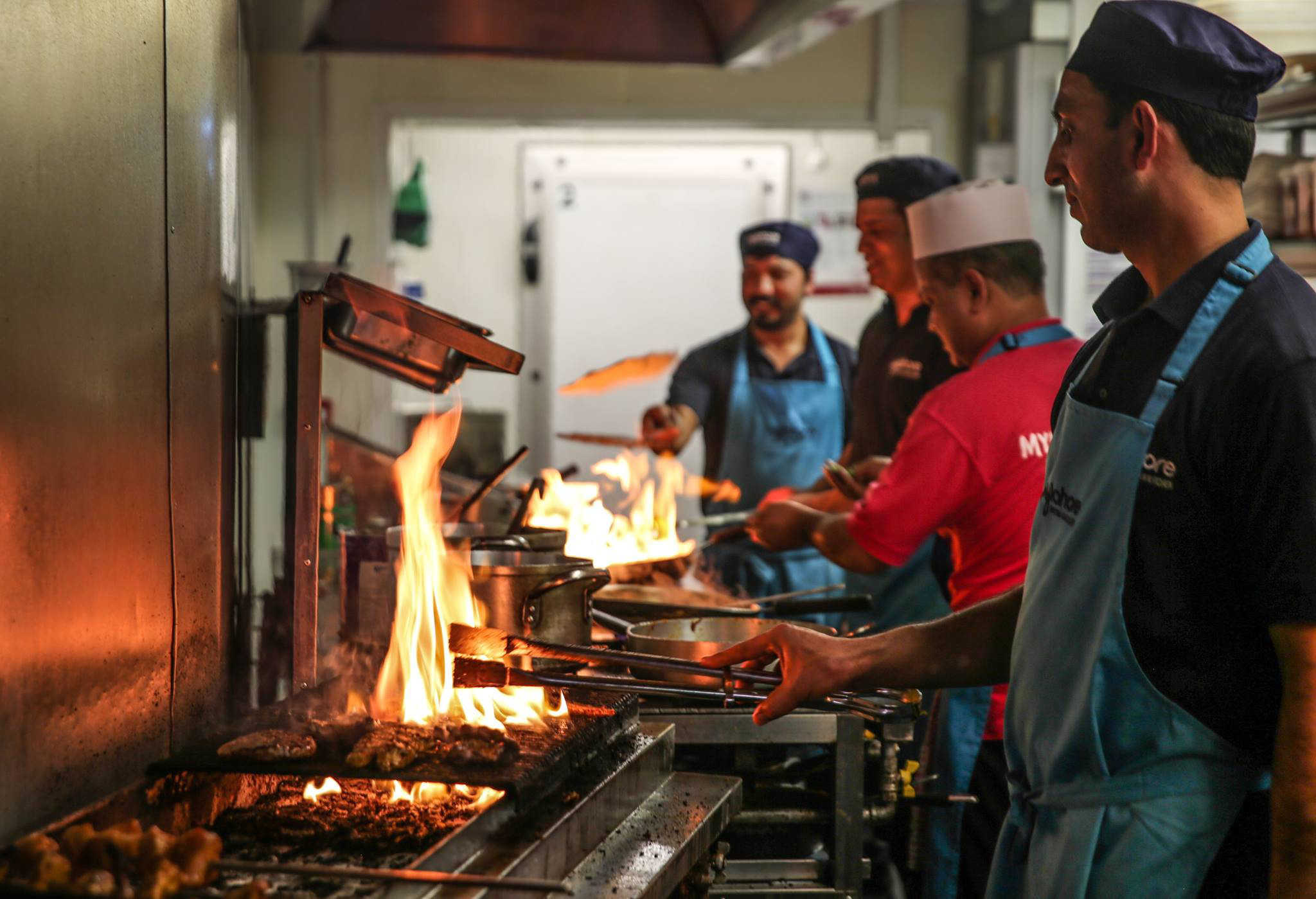
Running a restaurant through Ramadan is not the same as running a restaurant in any other month. The timing is fixed in a way that no kitchen schedule can move. Service has to orient around Maghrib, not around a booking time. The table needs to be ready before the guests arrive, not when they sit down.
MyLahore has been doing this long enough that none of it requires a conversation. The team understands what the month requires. Food that is ready at the right moment. A room that accommodates extended families without making them feel managed. Space for the post-Maghrib prayer that many guests want to observe before the main course is served. These are not logistics. They are hospitality.
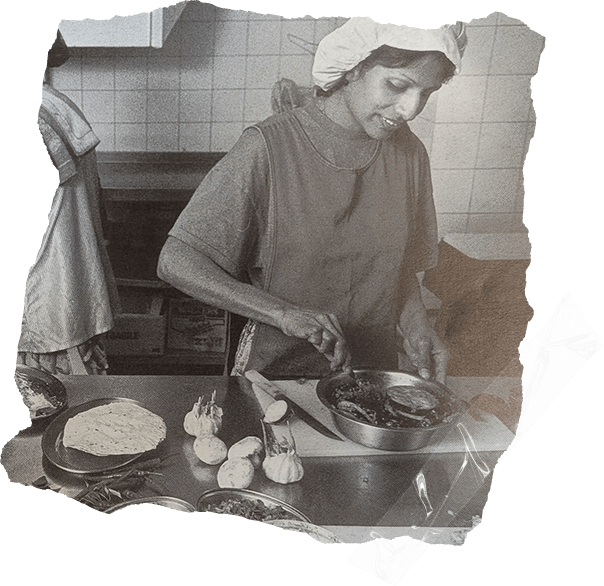
The philosophy behind how we approach this is rooted in something older than the restaurants themselves. If you want to understand where it comes from, our story explains the thinking better than a summary can.
The Community Is Not a Backdrop. It Is the Point.
Ramadan in British cities is visible in a way that surprises people who have not been present for it. Bradford during Ramadan is not the same city it is in July. Birmingham’s restaurant district after Taraweeh prayers feels different from how it feels on any other evening of the year. The streets, the conversations, the way strangers interact: the month reshapes the social texture of places with significant Muslim populations, and the effect is one of the most distinctive things about urban British life.
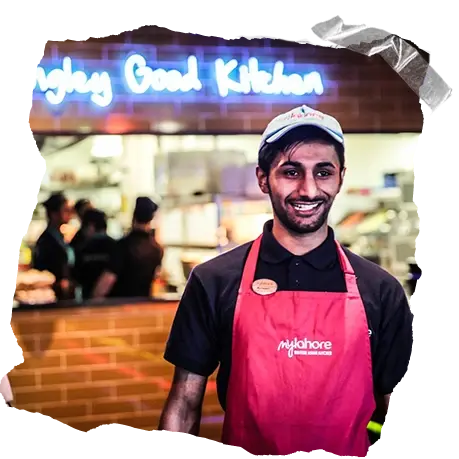
MyLahore sits inside this rather than observing it from a distance. The restaurants in Leeds and Bradford are part of communities that have been coming through their doors for years. The families who eat with us during Ramadan are often the same families who have been eating with us since the beginning. That continuity means something, and it shapes the way the month is approached at every level of the operation.
Zakat and Sadaqah, the obligatory and voluntary charitable giving that increases significantly during Ramadan, are central to how many of these families live the month. The connection between feeding people well and understanding what food means to people in need is not incidental to what MyLahore does. It is part of the same impulse.
For those approaching the final 10 days of Ramadan, which carry particular spiritual weight and are associated with intensified worship and giving, the communal aspect of the month often reaches its peak. The restaurants feel it too.
Three Things Worth Reading Before Ramadan Ends
If you are spending time with us this Ramadan, these posts are worth having open before you visit.
Our guide on what is iftar covers the tradition behind the meal for anyone who wants the context before the food. The blessing of eating together is a shorter, more personal piece on why the shared table matters. And if you are in Birmingham and want to know where the evening goes after Taraweeh, where to eat after Taraweeh prayers in Birmingham has the specifics.
For Bradford diners, iftar at MyLahore Bradford covers the local detail. Leeds has its own guide at where to break your fast in Leeds. Dessert decisions, meanwhile, are well served by 6 desserts that hit different after iftar at MyLahore.
On Turning Up
There is no sophisticated argument for why Ramadan brings people together. The fast creates a shared condition. The meal at the end of it creates a shared moment. The table does the rest.
MyLahore is open throughout Ramadan for dine-in and collection across all locations, with delivery available through Bradford delivery. The FAQs cover practical questions, and the team is reachable through contact if you need anything specific before you come.
Everything else, show up and see. The table will be ready.
Follow the month with us on Instagram, Facebook and TikTok. Ramadan Mubarak.