What Is Iftar? A Simple Guide (Plus What to Order at MyLahore)
Iftar is the evening meal that breaks the daily fast during Ramadan, the ninth month of the Islamic calendar. It is a moment of spiritual reflection, gratitude and community, where families and friends gather to share food after abstaining from eating and drinking from dawn until sunset. If you have been fasting for years or are new to Ramadan, this guide explains what iftar means, when it happens, what foods typically grace our tables, and how MyLahore can help make your iftar convenient, delicious and stress free.
What Is Iftar?
Iftar marks the daily breaking of the fast during Ramadan. Fasting from dawn (Fajr) until sunset (Maghrib) is one of the Five Pillars of Islam, and iftar is the meal that ends each day of fasting. The word iftar comes from the Arabic root meaning “to break,” and it is both a physical and spiritual event. After a long day without food or water, iftar is a chance to nourish the body, reconnect with loved ones and express gratitude.
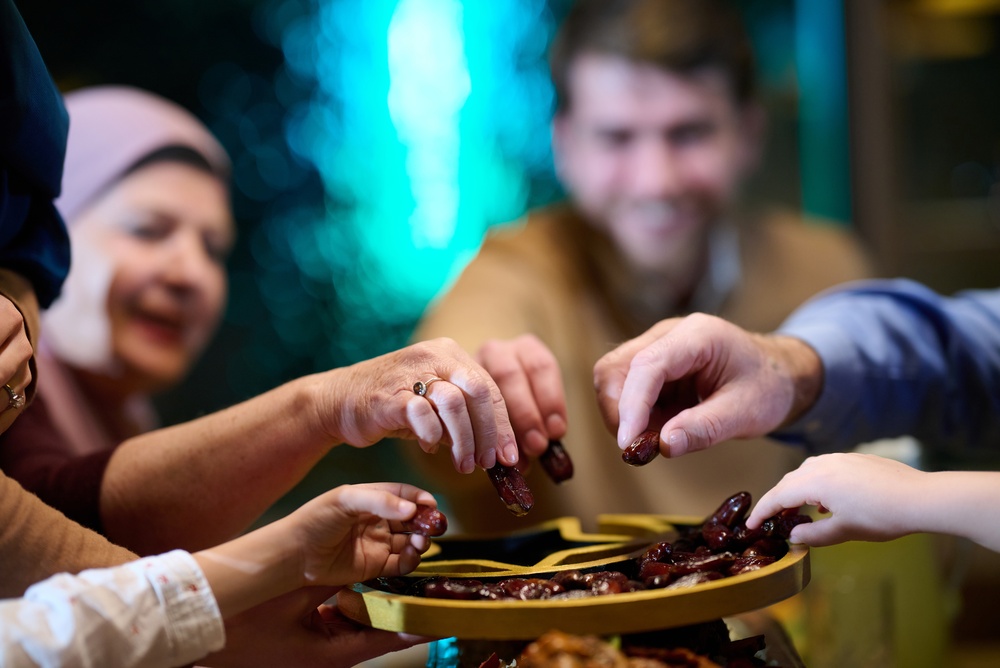
Traditionally, iftar begins with dates and water, following the practice of Prophet Muhammad ﷺ. This simple start provides an immediate source of energy and hydration. After the evening prayer (Maghrib), a fuller meal follows, often featuring a variety of dishes that reflect our cultural food traditions. These days, many of us in the UK blend traditional iftar foods with convenient modern options, making it easier to focus on togetherness rather than spending hours in the kitchen when we are already exhausted from fasting.
At MyLahore, we understand the importance of iftar to our community. That is why our menu offers authentic, halal certified dishes that bring the warmth and flavour of traditional South Asian cooking to your table, whether you are ordering for two or catering for a larger gathering.
When Is Iftar?
Iftar takes place at Maghrib, the moment the sun sets each day during Ramadan. Because sunset times change daily and vary by location, iftar timing shifts throughout the month. This year, Ramadan falls in February, and honestly, it feels like a blessing after those brutal summer fasts. Remember sitting exams in June with Ramadan, when iftar was not until gone 9pm? Those eighteen hour fasts felt never ending, especially when you were trying to revise with your stomach rumbling louder than the library air conditioning.
This February, iftar times will be earlier in the evening, typically between 5pm and 5:30pm across most of the UK. It is a world of difference. Most mosques and Islamic organisations publish daily iftar timetables, and many smartphone apps provide accurate local prayer and iftar times.
Planning your iftar order around Maghrib is essential. If you are ordering delivery, aim to place your order early enough so food arrives just before sunset, giving you time to set the table and prepare. If you are collecting, factor in travel time so you are home and ready when it is time to break your fast. Trust me, there is nothing worse than hearing the adhan while you are still stuck in traffic.
Iftar Timing in the UK
Because the UK spans several time zones and latitudes, sunset times can differ significantly between cities. For example, iftar in Bradford might be a few minutes earlier than in Birmingham, and sunset in Manchester will be slightly different to London. Check your local mosque or a reliable app for precise daily timings.
If you are hosting an iftar at one of our restaurants in Leeds, Bradford, Manchester, Blackburn or Birmingham, the team can help coordinate timings so your meal is ready exactly when you need it. For deliveries, our Bradford delivery service ensures your iftar arrives fresh and on time.
What Foods Are Traditionally Eaten at Iftar?
Iftar meals vary widely depending on cultural background, family traditions and personal preference, but certain foods are universally popular. The meal typically starts light, then builds into a more substantial spread. Here is what you will commonly find on our tables.
Starting With Dates and Water
Dates and water are the traditional first bites at iftar, mirroring the Sunnah of Prophet Muhammad ﷺ. Dates provide natural sugars for quick energy after fasting, while water rehydrates the body. Many of us follow this with a light soup, fruit or a refreshing drink like a traditional mango lassi to gently ease digestion before the main meal.
We all know that person who breaks their fast with a full plate of pakoras and regrets it immediately. Start light, then build up. Your stomach will thank you.
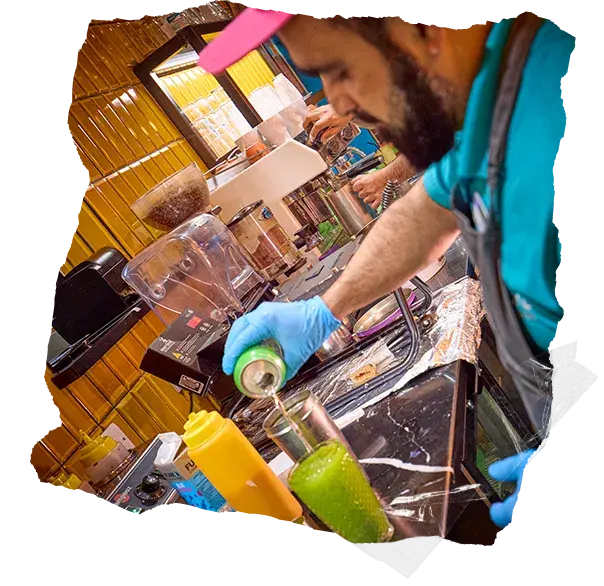
At MyLahore, our drinks menu includes Mango Lassi in both glass and jug sizes, plus a range of mocktails and fresh juices that are ideal for breaking your fast. A Virgin Mojito or Passiontastic mocktail offers a refreshing, fruity start, while our milkshakes and hot drinks provide comforting options later in the evening.
Classic Iftar Dishes
After the initial light start and Maghrib prayer, iftar moves to the main meal. This is where our mums and grandmothers really shine, but let us be honest, after a full day of fasting, not everyone has the energy to spend hours cooking. Traditional iftar spreads often include:
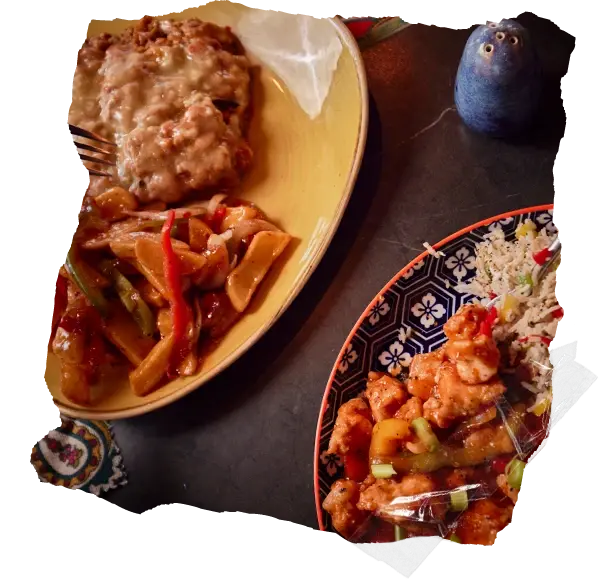
- Samosas and pakoras: Crispy, savoury snacks that are easy to share and perfect for grazing. Our Meat Samosa and Veg Samosa are classic choices, or explore our Samosa Chaat options for a fuller flavour with chickpeas, yoghurt sauce and imli.
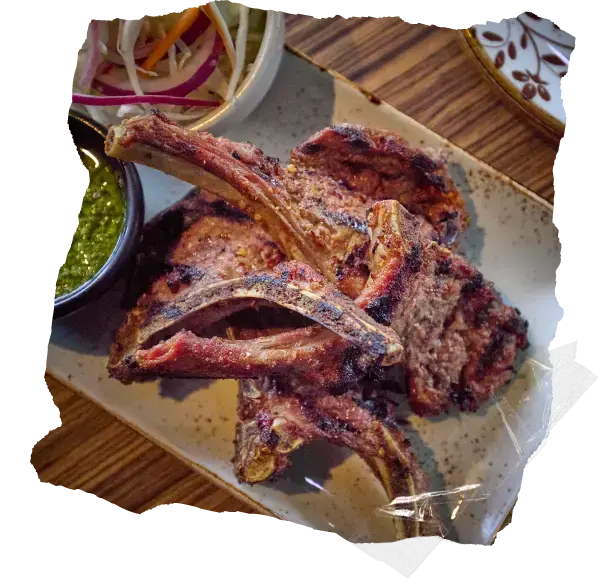
- Grilled meats: Flame grilled kebabs, chops and tikka bring smoky, hearty protein to the table. Try our Chicken Seekh Kebab, Flaming Chops or Malai Tikka for authentic chargrilled taste.
- Curries and rice: Rich, aromatic curries served with rice or fresh naan are iftar staples. Our Butter Chicken, Lahori Chicken Karahi and Lamb Handi on the Bone deliver deep, comforting flavours, while vegetarian options like Channa Karahi and Palak Paneer cater to plant based diets.
- Biryani: Fragrant, spiced rice dishes are a centrepiece at many iftars. Our Dum Biryani, baked under a golden bread crust, is a showstopper that reminds you of home cooked meals without the hours of effort.
- Bread: Naan, roti, paratha and chappati are essential for scooping up curries and adding substance to the meal.
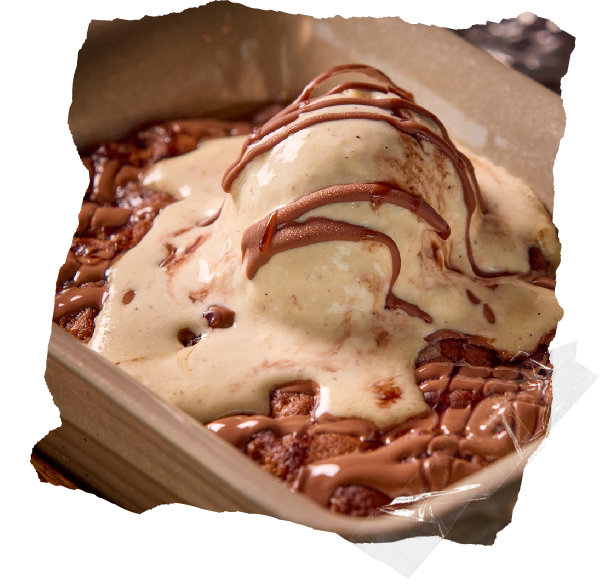
- Desserts: Sweet treats round off iftar. Traditional options include our Gajrela with Ice Cream and Falooda, or go for something indulgent like Fresh Waffles or Molten Cake.
Every dish on our menu is halal certified, so you can order with complete peace of mind. We also clearly mark vegetarian options, and our team at any of our restaurants can guide you on allergen information and dietary needs.
What to Order From MyLahore For Iftar
Choosing what to order for iftar depends on how many people you are feeding, their tastes and how much variety you want. Gone are the days when we had to cook everything from scratch while fasting. Here are some practical suggestions based on group size, all designed to make ordering simple and stress free.
Iftar for 2 to 4 People
For a smaller iftar at home, balance variety with portion size. Start with a couple of appetisers to break your fast, add a main dish or two, and finish with something sweet. Here is a sample order:
- Appetisers: Meat Samosa and Onion Pakora for a crispy, savoury start
- Mains: Butter Chicken and a Dum Biryani (mutton or chicken), served with Pilau Rice and Garlic Naan
- Sides: Desi Side Salad and Raita
- Drinks: Mango Lassi jug to share
- Dessert: Gajrela with Ice Cream or Classic Cheesecake
This combination gives you traditional iftar flavours, plenty of variety, and enough food for four people without overwhelming your table. If anyone in your group is vegetarian, swap the Butter Chicken for Channa Karahi or Palak Paneer, and choose a Veg Biryani.
Iftar for Larger Gatherings
Feeding ten or more people, whether for a family iftar, office gathering or community event, requires more planning. Those of us who remember preparing iftar for the entire extended family know the chaos. These days, it does not have to be that stressful. Opt for sharing platters, multiple mains and a variety of sides. Consider:
- Appetisers: Combo Platter (includes chicken seekh, mutton seekh, flaming chop, meat samosa, crispy chicken strip) and Veg Samosa Chaat
- Mains: Lahori Chicken Karahi, Lamb Handi on the Bone, Karahi (choose chicken, meat or veg), and two or three Dum Biryani portions
- Sides: Seasoned Rice, Pilau Rice, Naan Bread, Garlic Naan, Tandoori Roti, Desi Side Salad, Mixed Vegetables
- Drinks: Soft drinks in a jug, plus Mango Lassi jugs and a selection of mocktails
- Desserts: Fresh Waffles, Falooda, and a mix of sundaes like Daddy Crunch and Strawberry Delight
For very large gatherings, consider using By MyLahore, our catering division, which handles weddings, corporate events and community iftars with custom menus, portion planning and delivery coordination. You can find more details when you get in touch with us.
Planning Your Iftar Order
Timing and logistics matter during Ramadan. Iftar happens at a set time each day, and unlike regular dinner where you can eat whenever, missing Maghrib time is not an option. Planning ahead ensures your food arrives fresh and ready when you need it. Here are some practical tips learned from years of Ramadan experience:
- Order early: During Ramadan, restaurants and delivery services are busier than usual, especially in the hour leading up to iftar. Place your order at least an hour or two in advance, or earlier in the day if possible. Remember, everyone else is ordering too.
- Check delivery times: If you are using delivery, confirm the estimated arrival time and add a buffer. You want food to arrive before Maghrib so you have time to set up. Nothing tests your patience like waiting for a late delivery when you are starving.
- Consider collection: Collecting your order gives you more control over timing. Plan your journey so you are back home with enough time to prepare before breaking your fast.
- Reheat if needed: Some dishes, particularly curries and biryanis, can be gently reheated if they arrive a bit early. Keep food covered and warm until iftar time.
- Ask about portions: If you are unsure how much to order, our team can help. Visit our FAQs or speak to staff at any of our locations for guidance on portion sizes and combinations. We have all over ordered and had leftovers for days.
- Allergen and dietary needs: If anyone in your group has allergies or follows a specific diet (vegetarian, vegan, gluten free), let us know when ordering. We clearly mark vegetarian dishes and can provide allergen information on request.
For larger catering orders, especially for community or office iftars, give us as much notice as possible. By MyLahore can arrange tailored menus, accommodate dietary requirements and organise delivery or collection to suit your schedule.
Iftar Etiquette and Customs
Iftar is more than just eating. It is a time for generosity, gratitude and community. Many of us invite friends, neighbours and those in need to share iftar, reflecting the spirit of charity and togetherness that defines Ramadan. If you are invited to an iftar, arriving on time is important, as the meal begins promptly at Maghrib. It is also customary to bring a dish or dessert to share, though this varies by household.
If you are hosting, creating a welcoming atmosphere matters as much as the food itself. Set the table before Maghrib, ensure there is enough seating, and have dates and water ready for everyone to break their fast together. After the initial dates and water, pause for the Maghrib prayer before moving to the main meal. This rhythm of pause, prayer and eating together is central to the iftar experience.
The beauty of iftar is that it brings together people from all walks of life. Whether you are a student cramming for exams, a parent juggling work and family, or someone observing Ramadan for the first time, we all share that moment of breaking fast together.
Make Your Iftar Easier This Ramadan
Iftar is a daily reminder of patience, gratitude and the blessing of eating together. At MyLahore, we are here to make that moment easier, tastier and more memorable, so you can focus on what matters most: sharing food and time with the people you care about.