
What Is Falooda and Why Do People Love It
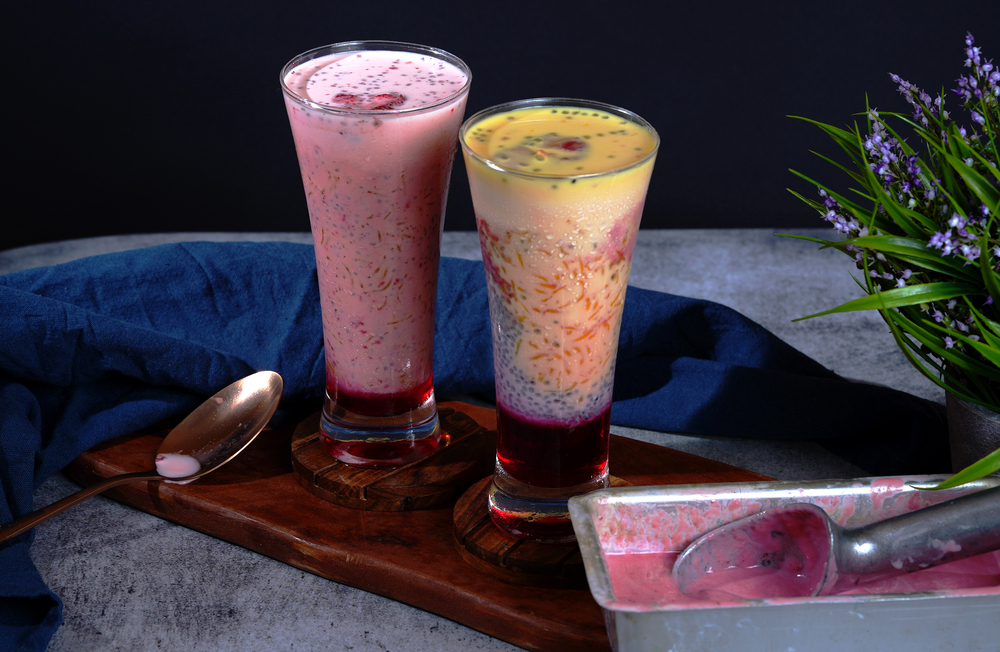
If you’ve grown up around South Asian food, chances are you already know falooda. If you haven’t, you’re about to discover one of the most interesting desserts you’ll come across. It’s sweet, it’s layered, it’s texturally complex, and it’s the kind of thing that makes people nostalgic or curious depending on which side of the cultural divide they’re on.
Falooda isn’t just a dessert. It’s a cooling drink, a sweet treat, and a bit of theatre all in one tall glass. It combines noodles, rose syrup, milk, basil seeds, and kulfi ice cream into something that sounds unusual on paper but works brilliantly in practice. At MyLahore, it’s become one of those menu items that people either order every single visit or discover by accident and then can’t stop thinking about.
What Actually Is Falooda
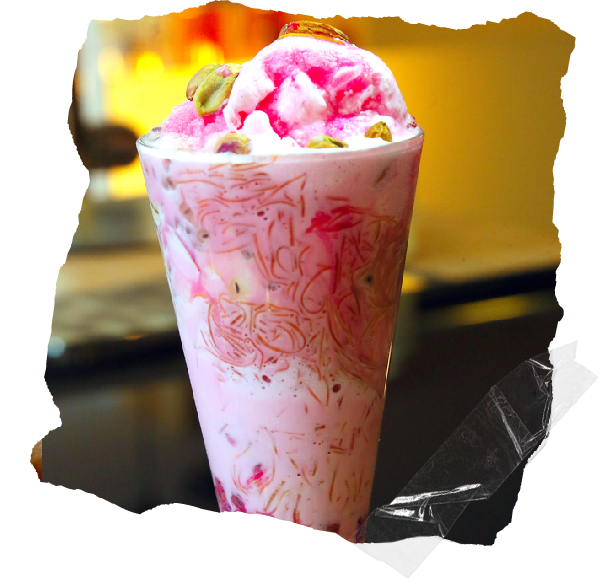
Let’s start with the basics. Falooda is a cold dessert drink that layers several distinct ingredients into one glass. The foundation is milk mixed with rose syrup, which gives it that signature pink colour and floral sweetness. Into that goes vermicelli noodles, basil seeds that have been soaked until they turn gelatinous, and a generous scoop of kulfi ice cream on top.
The noodles are thin, delicate, and slightly chewy. Basil seeds, sometimes called sabja or tukmaria, swell up when soaked and add a texture that’s similar to tapioca pearls but lighter. The kulfi brings creaminess, richness, and that traditional cardamom and pistachio flavour that makes it distinctly Desi rather than just any vanilla ice cream.
When you drink it, you’re getting multiple textures and temperatures at once. Cold milk, chewy noodles, soft basil seeds, and melting kulfi all in one mouthful. It’s sweet but not cloying, floral without being overpowering, and refreshing in a way that feels more substantial than a regular milkshake.
The rose syrup is what gives falooda its character. It’s fragrant, nostalgic for anyone who grew up with rose water in their desserts, and immediately recognisable. The floral notes combined with the creamy milk create something that’s both delicate and indulgent at the same time.
Where Falooda Comes From
Falooda has Persian roots, originally called faloodeh. The Persian version was a frozen dessert made with thin vermicelli noodles, rose water, and lime juice, served as a refreshing treat in hot climates. When it travelled to the Indian subcontinent, it evolved. Milk replaced the icy base, kulfi was added, and basil seeds became standard.
The dessert became especially popular in cities like Mumbai, Karachi, and Lahore, where street vendors and sweet shops turned it into an art form. It became a staple at celebrations, a cooling treat after spicy meals, and eventually a dessert that travelled with the diaspora to cities across the world.
Today, you’ll find falooda across India, Pakistan, Bangladesh, and anywhere the South Asian diaspora has settled. It’s become part of the broader story of how British Asian food is unique, blending heritage with local tastes. In cities like Leeds, Manchester, and Birmingham, falooda sits comfortably on menus alongside curries and biryanis that reflect modern British dining.
Why People Love It
The appeal of falooda is layered, quite literally. For anyone who grew up with it, falooda is nostalgic. It’s what you had after family dinners, at weddings, or on special occasions. It’s a marker of celebration and comfort wrapped into one glass.
For people discovering it for the first time, the novelty is part of the charm. Noodles in a sweet drink isn’t something you come across often in Western desserts, and that element of surprise makes it memorable. The texture play keeps each sip interesting, and the rose flavour is distinctive enough to stand out.
It’s also incredibly refreshing, especially after a spicy meal or on a warm day. The cold milk base, the floral bite from the rose syrup, and the cooling effect of the kulfi make it ideal for balancing heat and cleansing the palate.
The Texture Experience
What sets falooda apart is the textural complexity. Every sip gives you something different. The noodles are soft and chewy, providing substance. The basil seeds are gelatinous and slightly slippery, adding an unusual but pleasant element. The kulfi melts gradually, making the drink creamier and richer as you work your way down the glass.
This multi-sensory experience is part of what makes falooda so satisfying. You’re not just drinking something sweet; you’re engaging with it. Each mouthful requires a bit of attention as you navigate the different textures, and that keeps it interesting from the first sip to the last.
There’s also an aesthetic appeal. A well-made falooda looks impressive. The layers of pink and white, the visible noodles suspended in the milk, the scoop of kulfi sitting on top. It photographs beautifully and feels special when it arrives at your table.
How MyLahore Serves Falooda
At MyLahore, falooda is made the traditional way. Fresh noodles, rose syrup, milk, basil seeds, and kulfi ice cream all come together in one tall glass. It’s served cold, ready to drink, and designed to be enjoyed slowly so you can appreciate each layer as it melts and mixes.
The kulfi used is proper Desi-style kulfi with cardamom and pistachio, not generic vanilla ice cream. That distinction matters. The rose syrup is balanced so it’s fragrant without being overly sweet, and the noodles are cooked just right so they stay soft and chewy without turning mushy.
It’s one of those menu items that works for different people in different ways. Families order it to share, students grab it as a treat between meals, and anyone finishing a curry or biryani finds it’s the perfect way to end what to expect when you dine at MyLahore.
You can order falooda when dining in at any of our locations, including Bradford, Manchester, Blackburn, and Birmingham, or get it delivered through services like Bradford delivery.
When to Have Falooda
Falooda works in multiple contexts. After a heavy meal, it’s cooling and refreshing without being too rich. After something spicy, it soothes and balances. On its own, it’s substantial enough to feel like a proper dessert rather than just a drink.
It’s also a celebration dessert. Weddings, Eid gatherings, birthdays, and family get-togethers often feature falooda alongside other sweets. There’s something about it that feels festive and generous, maybe because of the layers or maybe just because it’s visually impressive when served.
For anyone interested in exploring more about how food and family bring generations together, falooda is a perfect example. It crosses age groups. Older generations appreciate the nostalgia and tradition, younger people love the novelty and visual appeal, and kids enjoy the sweetness and fun textures.
It also fits into the blessing of eating together because it’s often shared. One glass between two people, everyone taking turns, comparing how much noodles or basil seeds they got in their sip.
The Rose Flavour Factor
Rose syrup is the defining ingredient in falooda. Rose water and rose syrup have been used in South Asian and Middle Eastern desserts for centuries. The flavour is floral, slightly perfumed, and unlike anything common in Western desserts.
For people unfamiliar with rose in food, the first taste can be surprising. It’s sweet but with a delicate, aromatic quality that’s more sophisticated than standard fruit flavours. Once you get used to it, it becomes something you crave. It complements the creaminess of the milk and kulfi, balances the texture of the noodles and basil seeds, and gives the whole drink a distinctive character.
If you’ve never tried rose-flavoured desserts before, falooda is an excellent introduction. It’s not overwhelming, it’s balanced with other elements, and the overall experience is gentle enough that the rose adds intrigue without dominating.
Why Falooda Matters
Falooda represents something important in the story of how diverse Birmingham’s food scene has become and the rise of halal dining in the UK’s biggest cities. It’s a dessert that hasn’t been watered down or anglicised. It’s served in its traditional form, using ingredients that might be unfamiliar to some diners, and it’s celebrated for exactly what it is.
This reflects a shift in how British diners approach food from other cultures. There’s more curiosity, more willingness to try things that seem unusual at first, and more appreciation for authenticity. Falooda benefits from this openness.
It also fits into the broader pattern of how Manchester became a hub for global fusion food and why Leeds has one of the most exciting food scenes in the North. Cities across the UK are embracing dishes like falooda because they add diversity, flavour, and cultural richness to the dining landscape.
Falooda also reflects why eating out is about more than just the food and how Manchester’s food scene blends cultures together. It’s about connection, experience, and celebrating heritage through something as simple as a glass of sweet, layered goodness.
For families looking for restaurants that honour tradition while staying welcoming and accessible, falooda is exactly the kind of dish that makes places like the best restaurants in Bradford for families worth visiting.
Try Falooda at MyLahore

Next time you’re looking for a dessert that’s a bit different, give falooda a try. For more about who we are and what drives our approach to food, visit about us or explore our story, and if you’re planning a celebration, check out By MyLahore for catering or Ranges by MyLahore for ready-to-grill options—and follow us on Facebook, Instagram, and TikTok for updates across all our restaurants.