
Top 5 Things That Make British Asian Food Unique
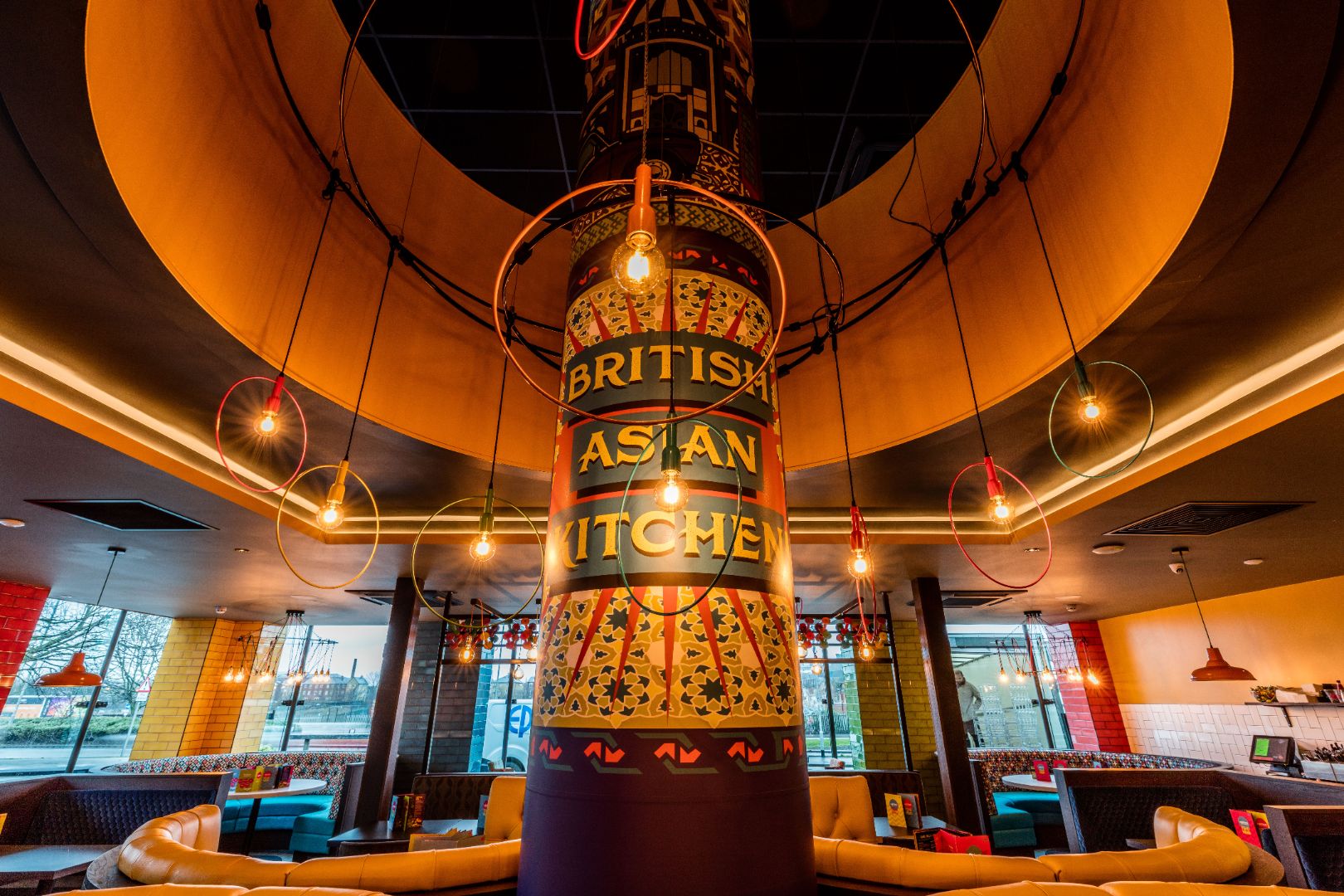
Walk down any high street in Britain and you’ll see the evidence everywhere. The curry houses, the takeaways, the restaurants serving everything from samosas to Sunday roasts with a twist. British Asian food isn’t just part of our food culture! It is British food culture.
But what makes it special? What sets British Asian cuisine apart from the food you’d find in Lahore, Delhi, or Dhaka? The answer lies in a unique blend of migration, adaptation, and creativity that’s been decades in the making.
At MyLahore, we’re part of this story. Our founders arrived in the UK in 1964 with just five pounds in their pockets, worked hard, and eventually created restaurants that celebrate this beautiful fusion. Let’s explore what makes British Asian food such a distinctive and beloved part of our national identity.
1. It’s Born from Real Stories of Migration and Adaptation
British Asian food didn’t appear overnight. It emerged from the experiences of people who arrived in Britain from South Asia, East Africa, and beyond, bringing their recipes and then adapting them to new circumstances.
The Journey That Shaped the Cuisine We Know Today
In the 1960s and 70s, thousands of families arrived in the UK seeking better opportunities. Like our own founders, Farman Ali and Mohammed Farooq, many worked twelve-hour shifts in textile mills or drove buses seven days a week. When they cooked, they had to work with what was available.
This wasn’t about compromising their food traditions. It was about finding creative solutions. If you couldn’t get the exact spices from back home, you experimented. If certain vegetables weren’t available, you substituted. The result was something new with dishes that honoured their origins whilst becoming distinctly British.
Regional Roots That Shaped Britain’s Asian Culinary Landscape
British Asian food reflects the specific regions people came from. Punjabi families brought their love of tandoori cooking and robust curries. Bangladeshi communities, particularly from Sylhet, created what many consider the backbone of British curry culture. Gujarati families introduced vegetarian dishes and street food traditions. East African Asians brought their own fusion, having already blended Indian and African influences.
Each community maintained their distinct identity whilst also connecting with others. You can see this diversity reflected across our restaurant locations, from Bradford to Birmingham.
2. It Has Created Dishes You’ll Find Only in Britain
Ask someone in Pakistan what a chicken tikka masala is and they’ll probably have no idea. Ask a British person and they’ll tell you it’s a national favourite. That’s British Asian food in action creating something entirely its own.
The British Curry House Menu of Iconic Creations
The standard curry house menu that exists across Britain is a uniquely British creation. Dishes like:
- Chicken tikka masala with its creamy tomato sauce
- Balti curries served in distinctive metal bowls (born in Birmingham)
- Madras and vindaloo adapted to British heat preferences
- Korma sweetened and made milder for broader appeal
These aren’t “inauthentic” versions of South Asian food. They’re British Asian dishes that evolved here, shaped by the tastes and preferences of multiple generations.
British Asian Street Food with Its Own Distinctive Identity
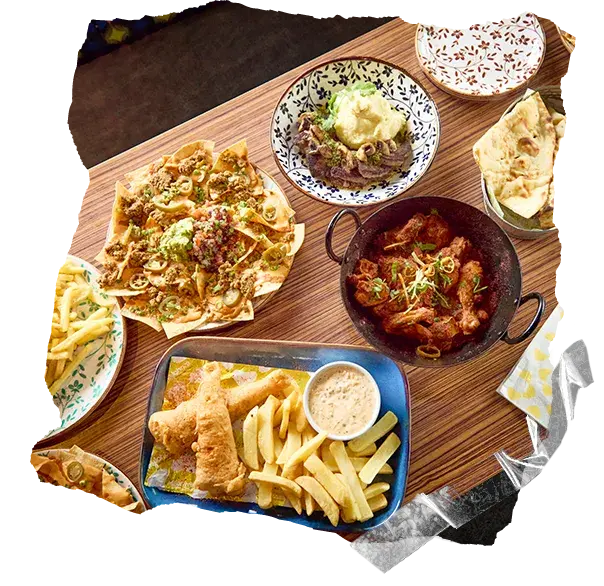
British Asian street food has its own character too. The samosa chaat you get here is different from India. The way chips get paired with curry sauce isn’t something you’d find in Karachi. And dishes like our cheesy keema and chips? That’s pure British Asian innovation taking the best of both worlds and creating something new.
You can explore this fusion approach on the MyLahore menu, where we celebrate these British Asian creations alongside more traditional offerings.
3. It Brings Generations and Communities Together
The blessing of eating together takes on special meaning in British Asian communities. Food becomes a way of maintaining connection to heritage whilst building new traditions in Britain.
Family Mealtimes as Cultural Bridges Between Generations
For many British Asian families, mealtimes are when language, stories, and recipes get passed down. Grandparents teach grandchildren how to roll rotis. Parents share memories of “back home” over dinner. Second and third generation British Asians learn about their heritage through the food they eat.
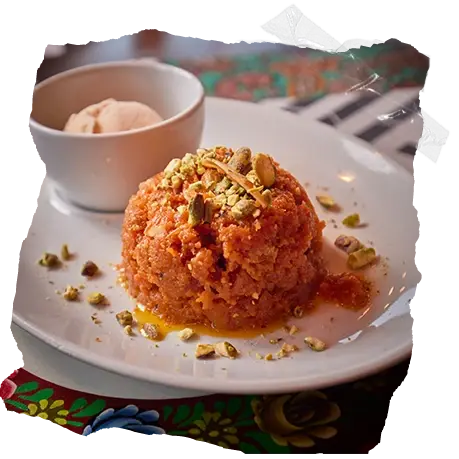
But it’s not just about preserving the past. It’s also about creating new traditions. Sunday family gatherings might include both traditional curries and British roast elements. Birthday celebrations feature both cake and mithai (Asian sweets). Eating out becomes about more than just the food it’s about community, celebration, and connection.
The Community Restaurant as a Cultural Meeting Point
British Asian restaurants function differently from typical eateries. They’re community hubs where people gather for everything from casual meals to major celebrations. Places like MyLahore become extensions of the living room, where families feel comfortable bringing young children, celebrating milestones, or just catching up over chai.
This community focus shapes everything; the generous portions, the accommodating service, the willingness to adjust dishes for different tastes. When you dine at MyLahore, you’re experiencing this welcoming approach firsthand.
4. It Balances Authenticity with Constant Innovation
One of the most distinctive aspects of British Asian food is how it manages to be both rooted in tradition and constantly evolving.
Respecting Traditional Techniques and Time-Tested Cooking Methods
The best British Asian cooking starts with proper technique and quality ingredients. The spice blends are carefully crafted. The marinades follow time-tested methods. The cooking techniques whether it’s slow-cooking a curry or getting that perfect char on tandoori chicken.
Making Traditional Food Work for Modern British Preferences
But British Asian food also recognises that people have different preferences. Some want their curry properly spicy. Others prefer it milder. Some are vegetarian or vegan. Some have dietary requirements. The cuisine adapts without losing its soul.
This flexibility is part of what makes British Asian food so successful. It doesn’t force people to choose between their heritage and their current life. It finds ways to honour both.
The Second Generation Driving Modern Fusion Trends
Second-generation British Asians are particularly important to this evolution. Growing up between cultures, they understand both worlds intimately. They know what their parents cooked at home and what their British friends ate. They can create fusion that feels natural rather than forced because they’ve lived it.
This perspective has led to exciting dishes that combine South Asian spices with British comfort food, desserts that blend Asian and Western sweet traditions, and new takes on classic recipes that feel fresh whilst respecting their origins.
5. It’s Become a Core Part of British Identity Itself
Perhaps the most remarkable thing about British Asian food is how thoroughly it’s woven into the fabric of British culture. It’s not “ethnic food” anymore it’s just food that British people eat.
A Shared National Experience Shaped by Curry Culture and Community
Everyone in Britain has curry stories. The Friday night takeaway. The restaurant celebration. The hangover cure. The dish that’s too spicy or not spicy enough. These experiences cross all backgrounds and have become part of our shared culture.
British Asian restaurants exist in every town and city. They employ thousands of people. They’re where we celebrate, commiserate, and connect. The fact that chicken tikka masala was once reported as Britain’s favourite dish isn’t surprising it reflects how deeply this food has been embraced.
Influencing Supermarkets, Restaurants, and Everyday British Cooking
British Asian food culture has influenced Britain in ways that go beyond meals. It’s changed our supermarkets you can now buy fresh coriander, paneer, and spice blends everywhere. It’s influenced other cuisines British chefs regularly incorporate Asian spices and techniques. It’s created employment and entrepreneurship opportunities for generations.
Places like our restaurants in Leeds, Manchester, and Blackburn aren’t just serving food. They’re part of their local communities, supporting local causes, and contributing to the character of their cities.
A Living Cuisine That Continues Evolving Every Year
The beauty of British Asian food is that it’s still evolving. New ingredients become available. New generations bring fresh ideas. Dietary trends like veganism get incorporated. Regional cuisines that were less represented start getting recognition.
This ongoing evolution ensures that British Asian food remains relevant and exciting. It’s not frozen in time it’s a living cuisine that continues to adapt and grow whilst maintaining its distinctive character.
What This Means for the Future of British Food Culture
British Asian food has fundamentally changed what it means to eat British food. It’s shown that cuisine can evolve without losing authenticity. It’s demonstrated that different food traditions can coexist and enrich each other. It’s proved that “foreign” food can become as British as anything else.
A Model for Cultural Integration Through Food
In many ways, British Asian food represents successful cultural integration. It maintains its roots whilst embracing its British context. It respects tradition whilst innovating. It serves multiple communities whilst bringing them together.
This isn’t about one culture dominating another or cultures remaining completely separate. It’s about creating something new that honours all its influences. That’s what makes British Asian cuisine so special and so instructive.
Where to Experience the Best of British Asian Cuisine
The best way to understand British Asian food is to experience it yourself. Visit restaurants that take this cuisine seriously. Talk to the people behind the food. Try dishes that mix traditions.
Whether you visit us in person or use our delivery service, you’re not just ordering a meal. You’re participating in this ongoing story of adaptation, creativity, and community.
Follow along on Instagram, Facebook, or TikTok to see how we’re continuing this tradition sharing new dishes, celebrating our communities, and keeping the spirit of innovation alive.

The Story Continues Through Community and Creativity
British Asian food is unique because it represents something larger than just recipes and restaurants. It tells the story of people who came to Britain, worked hard, maintained their traditions, and created something new in the process.
From those early days when our founders worked in mills and on buses to today’s thriving British Asian food scene, the journey has been remarkable. The food has evolved from something unfamiliar to something quintessentially British, all whilst maintaining its distinctive character and cultural significance.
These five aspects the migration stories, the unique dishes, the community focus, the balance of tradition and innovation, and the integration into British identity work together to make British Asian food something you won’t find anywhere else in the world. It’s a cuisine born of necessity, shaped by creativity, sustained by community, and embraced by millions.
For questions about our dishes, dietary options, or anything else, check our FAQs or get in touch. We’re always happy to share our passion for this remarkable cuisine.
British Asian food is more than what we serve it’s who we are. And that’s what makes it truly unique.