
Food and Family: How Meals Bring Generations Together
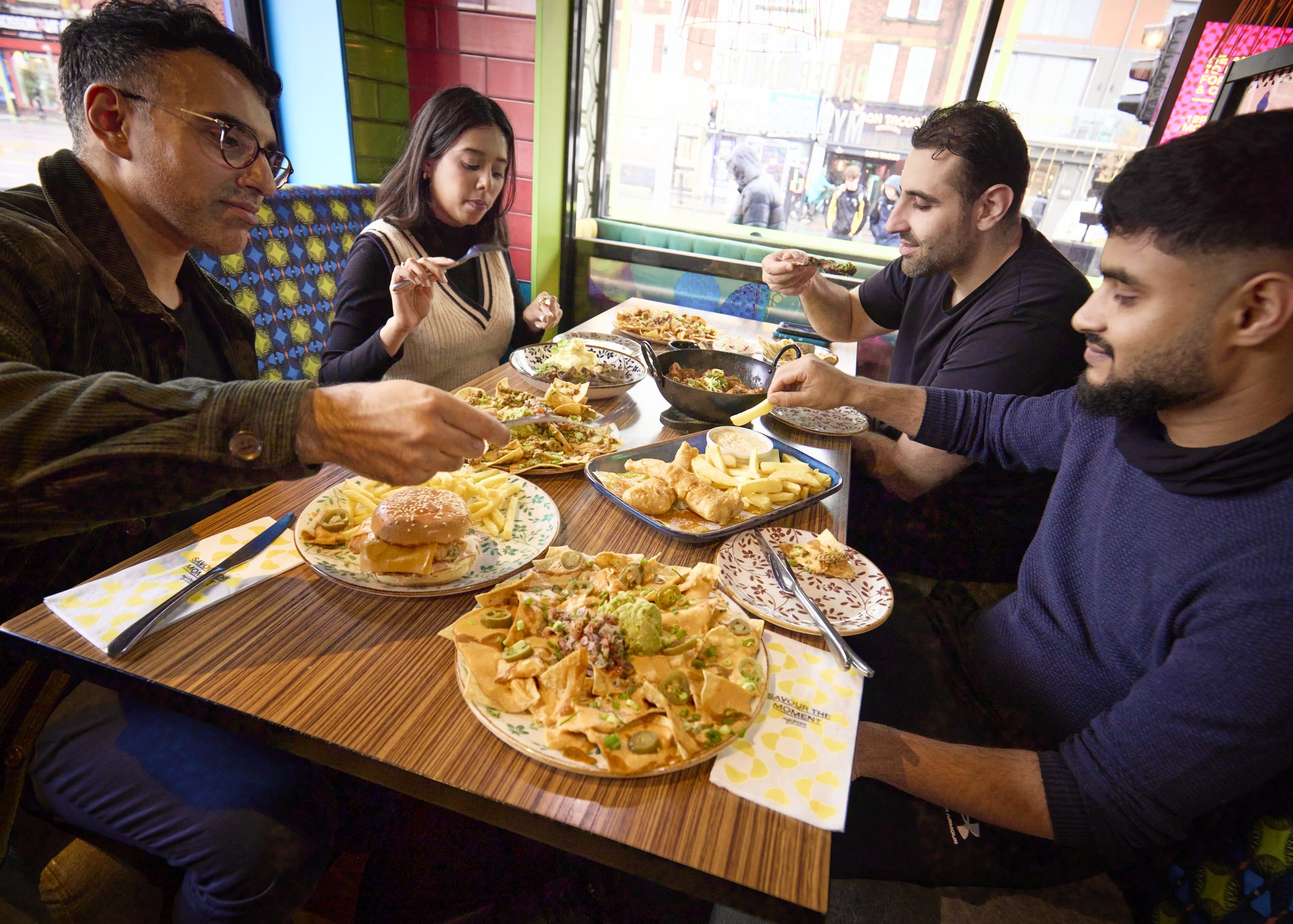
There’s something powerful about sitting down to eat with the people you love. It’s not just about the food on the table, it’s about the conversations, the laughter, the stories passed down, and the memories being made in real time.
In a world where everyone’s schedules pull in different directions, shared meals offer a rare chance to slow down and reconnect. Whether it’s a Sunday roast with three generations around the table or a simple weeknight dinner, these moments matter more than we often realise.
Why Shared Meals Strengthen Family Bonds


Research consistently shows that eating together benefits families in measurable ways. According to studies from organisations like the Food Foundation, regular family mealtimes are linked to better mental health in children and teenagers, improved communication between family members, and even healthier eating habits across all ages.
But beyond the statistics, there’s something instinctive about breaking bread together. It’s a ritual that transcends cultures and generations, creating space for connection without the distractions of screens or the rush of daily life.
For older family members, these meals can be an anchor, a chance to share wisdom and feel valued. For children, they’re where food traditions and family stories first take root. And for the adults in the middle, juggling work and caring responsibilities, they’re a reminder of what really matters.
What Happens When We Eat Together
When families gather around food, several things happen naturally:
- Conversations flow more easily when everyone’s relaxed and focused on something enjoyable
- Younger family members learn social skills, table manners, and how to participate in group discussions
- Stories get told and retold, strengthening family identity and cultural heritage
- Grandparents and older relatives can pass down recipes, cooking techniques, and food traditions
- Everyone experiences a sense of belonging and routine, which is especially important for children’s emotional development
The act of sharing food creates a rhythm to family life that can be deeply comforting, particularly when everything else feels uncertain or rushed.
Keeping Food Traditions Alive Across Generations
One of the most beautiful things about intergenerational meals is how they keep cultural and family traditions alive. A grandmother teaching her grandchildren to make the paratha she learned from her own mother. A grandfather sharing stories about feast days and celebrations from his childhood. These aren’t just cooking lessons, they’re acts of preservation.
At places like our restaurants, we see this every day. Families come together over dishes that carry meaning beyond the ingredients, flavours that connect them to their heritage and to each other.
Learning by Doing
Cooking together is one of the most effective ways to pass down traditions. When older family members involve younger ones in food preparation, they’re not just teaching recipes, they’re creating shared experiences that will be remembered long after the meal is finished.
This might look like a teenager helping their nana roll samosas for Eid, or a young child watching their dad make his signature curry while hearing stories about growing up in Bradford or Manchester.
These moments don’t need to be elaborate. Even simple tasks like stirring, chopping, or setting the table become meaningful when they’re done together with intention and patience.
Making Mealtimes Work for Everyone
Planning intergenerational meals can feel daunting, especially when you’re trying to accommodate different dietary needs, preferences, and abilities. But with a bit of thought, it’s entirely manageable.
Practical Tips for Inclusive Family Meals
Consider accessibility needs: If older relatives have mobility issues, make sure seating is comfortable and accessible. If someone has dementia, keep the environment calm and familiar, avoiding too much noise or visual clutter.
Adapt for dietary requirements: Offer vegetarian options alongside meat dishes, consider halal requirements if relevant to your family, and always ask about allergies or intolerances before planning the menu.
Keep it simple: You don’t need an elaborate spread to create a meaningful meal. Sometimes the simplest dishes, done well, are the ones people remember most fondly.
Involve everyone: Let children help with age-appropriate tasks like laying the table or mixing ingredients. Ask older relatives to share their expertise, whether that’s seasoning advice or a family recipe.
Create regular rituals: Whether it’s Sunday lunch or Friday night dinner, having a consistent mealtime helps everyone prioritise being together.
If cooking feels overwhelming, consider catering services that can take the pressure off while still delivering quality food that brings everyone together.
When Cooking Together Isn’t Possible
Not every family has the time or ability to cook elaborate meals from scratch, and that’s absolutely fine. What matters most is the act of gathering and sharing, not where the food comes from.
Sometimes ordering from Ranges by MyLahore or picking up ready-made dishes can be the most sensible option, freeing up energy to focus on conversation and connection rather than spending hours in the kitchen.
The important thing is creating space for everyone to sit down together, whether that’s over a home-cooked feast or a simple takeaway enjoyed around the table.
Creating New Traditions While Honouring Old Ones
Family food traditions don’t have to stay frozen in time. The most resilient traditions are the ones that evolve while still holding onto their core meaning.
This might mean adapting a family recipe to accommodate a vegetarian grandchild, or blending cooking styles from different cultural backgrounds when families merge. It could be as simple as keeping the same menu but gathering in a different location, like dining out together to take the pressure off the host.
Bridging Cultural and Generational Tastes
In multicultural families, meals can become a celebration of diversity. One week might feature traditional dishes from one side of the family, the next week something from another heritage. This approach teaches younger generations to appreciate different food cultures while maintaining connections to their own roots.
The beauty of British Asian cuisine, particularly in cities like Birmingham and Leeds, is how it naturally blends influences. What makes British Asian food unique is precisely this ability to honour tradition while embracing innovation.
The Emotional Power of Eating Together
Beyond the practical benefits, there’s something deeply emotional about sharing food across generations. These are the moments when grandparents feel heard and valued, when parents can pause and be present, and when children learn what it means to be part of something larger than themselves.
A study by the University of Oxford found that people who eat socially more often feel happier and are more satisfied with life. For families, this effect is even stronger, shared meals create a sense of security and belonging that supports everyone’s wellbeing.
When we talk about the blessing of eating together, we’re talking about more than nutrition. We’re talking about connection, tradition, and the simple human need to belong.
Making It Happen: A Quick Checklist
If you’re ready to prioritise intergenerational meals in your family, here’s a simple starting point:
Plan ahead but stay flexible: Choose a regular time that works for most people, but don’t make it so rigid that it becomes stressful
Keep the focus on connection: The quality of the conversation matters more than the complexity of the menu
Share responsibilities: Let different family members take turns choosing the menu or helping with preparation
Remove distractions: Put phones away and turn off the TV to create space for real conversation
Be patient: If it feels awkward at first, that’s normal. Regular shared meals become easier and more natural over time
Remember, eating out is about more than just the food. The same principle applies at home. It’s about the experience, the atmosphere, and the people you’re with.
Finding Your Family’s Food Rhythm
Every family is different, and what works for one household might not work for another. The key is finding a rhythm that feels sustainable and meaningful for your particular circumstances.
For some families, that might mean a big Sunday gathering every week. For others, it’s a simple Tuesday night dinner or a monthly celebration. What matters is consistency and intention, showing up for each other in whatever way works best.
If you’re looking for inspiration on creating these moments, explore why family restaurants in Bradford work so well, or learn about how food scenes bring cultures together in cities like Manchester.
The rise of inclusive dining options, including halal dining across the UK’s biggest cities, means it’s easier than ever to find spaces that welcome everyone, regardless of dietary or cultural requirements.
Looking Forward

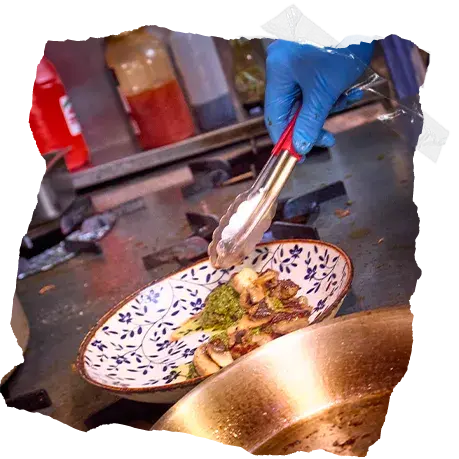
As our lives get busier and families become more geographically scattered, the simple act of sharing a meal becomes even more precious. It’s one of the few things that can bring multiple generations together in a meaningful way, creating space for connection that might not happen otherwise.
Whether you’re gathering around your own kitchen table, meeting at a restaurant, or celebrating a special occasion with catering that brings everyone together, the principle remains the same: food is the excuse, but connection is the point.
For more ideas on creating meaningful family meals, browse our frequently asked questions or get in touch to share your own family food traditions. You can also follow us on Facebook, Instagram, or TikTok for inspiration and stories from other families.
At the heart of it all is a simple truth: when we eat together, we’re doing more than sharing food. We’re strengthening bonds, passing down stories, and creating memories that will nourish us long after the plates are cleared.