
Final 10 Days of Ramadan: Why Community Gathering Matters

The final ten days of Ramadan carry a weight that the rest of the month doesn’t quite match. You feel it in the masjid, standing shoulder to shoulder for Taraweeh that stretches longer and deeper. You feel it in the homes where sleep becomes optional and exhaustion mingles with hope. You feel it in the collective awareness that these nights, these specific nights, contain Laylatul Qadr, the Night of Power worth more than a thousand months.
For many of us, these ten days are when Ramadan truly reveals itself. The early days were adjustment, finding your rhythm, settling into fasting. The middle passed with steady worship and routine. But these final nights demand everything you have left. They ask for sacrifice, for staying awake when your body begs for sleep, for pushing beyond your usual limits because the reward is unmatched.
How we spend these nights matters. And increasingly, British Muslims are finding that spending them in community, gathering for iftar before long nights of worship, creates the strength and connection needed to truly embrace what these days offer.
Understanding the Final Ten Days

These aren’t just the end of Ramadan. These are the nights the Prophet Muhammad (ﷺ) would stay awake entirely, tightening his izaar, waking his family, intensifying his worship beyond what he’d already been doing all month. When the man who was guaranteed Jannah pushed harder, we know these nights require our absolute best.
Laylatul Qadr sits hidden somewhere within these odd numbered nights. The 21st, 23rd, 25th, 27th or 29th. We don’t know which, and that uncertainty is deliberate. It forces us to treat every single night as if it could be the one, to approach each evening with the same intensity, the same sincerity, the same desperate dua.
One night of sincere worship during Laylatul Qadr outweighs 83 years of regular worship. Let that settle. Most of us won’t live 83 years. This one night offers more reward than an entire lifetime. That’s why the exhaustion is worth it. That’s why sleep can wait. That’s why everything else fades into background noise.
The Intensity of These Nights
If you’ve experienced the final ten days properly, you know the feeling. The tiredness that goes bone deep. The odd sensation of time moving differently, nights bleeding into dawns that arrive too quickly. The way normal life, work, responsibilities, all feel distant and almost irrelevant against the magnitude of what these nights represent.
Many Muslims take time off work during this period if possible. Some arrange their annual leave specifically for these ten days. It’s not laziness; it’s recognition that you cannot give these nights what they deserve whilst maintaining your usual schedule. You need space, time, and the freedom to focus entirely on worship.
The masjid fill differently during these nights. Where earlier Ramadan might have seen the regular committed crowd, the final ten brings everyone. Those who struggled to make Taraweeh all month suddenly find the energy. The elderly who’d been resting appear, determination overriding physical limitation. Young people stay through the night, camping out in the masjid, praying, reading Quran, making dua until fajr.
I’tikaf becomes the ultimate expression of this commitment. Entering the masjid and not leaving for ten days, cutting off from everything worldly, creating a bubble where nothing exists except you and Allah (SWT). Not everyone can do it, family responsibilities, work, health don’t always allow. But even those of us outside the masjid try to create a version of i’tikaf in spirit, minimising distractions, maximising worship.
Why Community Matters More During These Days
There’s something about facing these intense nights alone that feels harder than it needs to be. Yes, worship is individual, your relationship with Allah (SWT) is personal. But the strength you draw from worshipping alongside others, seeing their commitment, feeling the collective energy, that’s real and it matters.
Breaking fast together before long nights of prayer creates bonds that carry you through. When you’re flagging at 2am, remembering the faces around the iftar table, knowing they’re awake too, somewhere across the city also making dua, it helps. It reminds you that you’re part of something larger, this Ummah pushing through exhaustion together.
Families gather differently during these ten days. Extended relatives who might see each other occasionally throughout the year make extra effort now. Grandparents, aunts, uncles, cousins all come together for iftar, then head to different masjid for Taraweeh, reconvening for suhoor, comparing experiences, encouraging each other.
Islamic societies at universities organise communal iftars specifically for these nights. Students far from home find surrogate families in their Muslim student friends. The shared meals before worship create a substitute for the family gatherings they’re missing, and often those university Ramadan bonds last for years afterwards.
Gathering for Iftar During the Final Ten
The iftar itself needs to serve a different purpose during these nights. You’re not lingering for hours over multiple courses. You’re fuelling your body efficiently so you can focus on the worship ahead. Food becomes functional, necessary, something to be grateful for but not the evening’s main event.
Quick, nourishing meals work best. Something substantial enough to sustain you through hours of standing in prayer but not so heavy that you feel sluggish. Many people simplify their iftars during this period, eating less variety, choosing familiar dishes that won’t upset their already tired digestive systems.
For those who don’t want to cook during these intense days, or who are hosting larger family gatherings, having trusted halal options becomes essential. MyLahore across our Leeds, Bradford, Manchester, Birmingham and Blackburn locations remains open throughout the final ten, understanding that the community needs reliable places to gather.
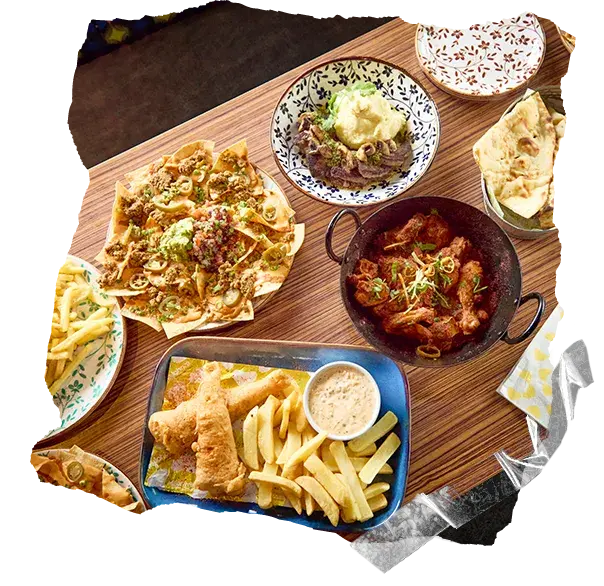
Our menu during this period focuses on what actually helps. Lighter starters like Papri Chaat, layers of chickpeas, potato and yoghurt that provide energy without heaviness. The Combo Platter works for groups wanting variety without complexity, bringing together seekh kebabs, samosas and chicken strips for shared picking.
For mains, dishes like Chicken Stir Fry or Desi Chicken Stir Fry with noodles or rice offer complete nutrition in one serving. The Korma range, with its cream and coconut base, sits gently on fasting stomachs. Biryani, particularly our classic version with pilau rice, meat and spices, provides everything needed in one dish.
The Bradford delivery service becomes particularly valuable during these nights when cooking feels impossible but you still need proper food. Ranges by MyLahore offers ready prepared options that just need heating, saving precious time and energy for worship instead of kitchen work.
The Suhoor Challenge
Suhoor during the final ten requires strategy. You’re already exhausted from staying up for worship, and now you need to eat again before fajr. Some people skip it entirely, too tired to manage food. Others force something down, knowing they’ll regret missing it when hunger hits mid afternoon.
The ideal suhoor during these days is simple, hydrating, and provides slow release energy. Overnight oats soaked in milk. Toast with peanut butter. Eggs. Dates. Water, so much water. Nothing fancy, just fuel.
For those gathering family for suhoor before the final push to fajr prayer together, having food ready matters. Warm parathas with yoghurt. Leftover curry from iftar reheated. Fresh fruit for vitamins and hydration. Strong chai to keep eyes open through fajr and the dhikr that follows.
Some families make suhoor the communal meal during these nights rather than iftar, breaking fast quickly with dates and water, praying maghrib, then spending the evening in worship before gathering pre dawn to eat together and support each other through one more day.
Practical Considerations for Group Gatherings
If you’re organising iftar for a group during the final ten days, whether family, friends, Islamic society or work colleagues, book early. These are the busiest nights of Ramadan. Every venue fills up. Every restaurant gets overwhelmed with requests.
Book through our website for the fastest confirmation, specifying exact numbers and timing preferences. Groups of ten or more should reach out as early as possible. The closer you get to the 27th night, the harder finding space becomes.
Prayer facilities matter more during these nights. You’re not just popping in for maghrib; people want to stay for isha, for taraweeh, for qiyam. Having dedicated prayer space, separate areas for men and women, and understanding from staff about people disappearing mid meal to pray becomes essential.
Accessibility needs increase too. The elderly who might not have made it out for regular iftar make extra effort during these nights. Wheelchair users, those with mobility challenges, families with very young children, everyone wants to participate. Step free access, appropriate seating, patient staff, these details become crucial.
For women’s groups seeking privacy, or families wanting contained space, asking about private areas when booking helps. Some gatherings prefer the community buzz of the main restaurant, others need quiet spaces for older relatives or shy younger members.
You can check our FAQs for general information about group bookings and facilities, or reach out through our contact form with specific questions about accommodating larger gatherings.
Supporting Each Other Through Exhaustion
By night 25 or 26, everyone is running on fumes. The initial Ramadan excitement is long gone. The mid month steadiness has faded. What’s left is pure determination and the knowledge that you’re almost there, that these nights are too precious to waste sleeping.
This is where gathering becomes vital. Sitting across from others who look as tired as you feel, sharing rueful smiles about the exhaustion, encouraging each other to push through one more night. The uncle who quietly says “just a few more nights, we can do this.” The student who rallies her friends with reminders about Laylatul Qadr’s reward. The grandmother who’s done this for decades and models quiet, persistent worship.
Food during these nights becomes almost ceremonial. You’re eating because you must, because your body needs fuel, because Allah (SWT) gave you this gift of halal sustenance and you’re grateful for it. But you’re not eating for pleasure or entertainment. You’re eating to enable worship.
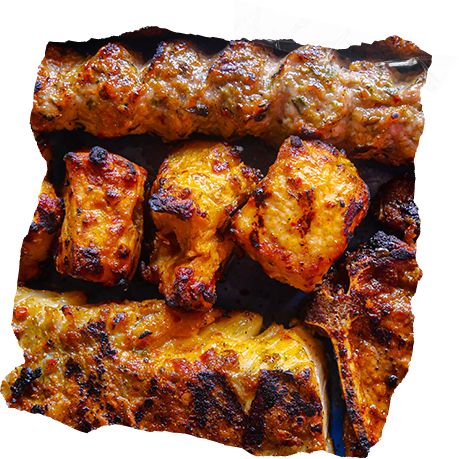
Quick meals work best. Rice and one curry. Grilled chicken and naan. Something warm, familiar, sufficient. Then back to the masjid, back to the prayer mat, back to the Quran and dua and desperate seeking of forgiveness and mercy.
When Laylatul Qadr Arrives
You might not know definitively when it happens, but some years, some nights, you feel it. There’s a stillness, a sense of peace that’s hard to articulate. The air feels different. Your dua flows more easily. Everything, even the tiredness, feels purposeful.
Whether you experience that sensation or not, treating every odd night as if it could be Laylatul Qadr ensures you don’t miss it. Pray like it’s that night. Make dua like it’s that night. Seek forgiveness like it’s that night. Read Quran like it’s that night.
The Prophet Muhammad (ﷺ) taught us the dua specifically for this night: “Allahumma innaka ‘afuwwun tuhibbul ‘afwa fa’fu ‘anni” – O Allah, You are Pardoning and You love to pardon, so pardon me. Simple, direct, profound. When you’ve exhausted all other duas, when you’ve asked for everything you need and want, this one remains, asking for the mercy that covers all our shortcomings.
The Final Push to Eid
The last night of Ramadan carries its own emotion. Relief that you made it through. Sadness that this blessed month is ending. Anxiety about whether your worship was accepted. Hope that you caught Laylatul Qadr, that your sins were forgiven, that you’re genuinely changed and not just temporarily better.
The final iftar of Ramadan often becomes special by default. Families gather one last time in this particular way. The food might be slightly more elaborate, the conversation more reflective. There’s awareness that tomorrow everything changes, normal life resumes, Ramadan’s protective bubble dissolves.
At MyLahore, we see this every year. The final nights bring mixed emotions. Gratitude for the month, wistfulness that it’s ending, exhaustion from the intensity, and deep hope that the effort was enough, that Allah (SWT) accepted what was offered.
Carrying Forward What These Nights Taught
The final ten days of Ramadan reveal what we’re capable of when properly motivated. The amount of Quran you can read when focused. The quality of prayer you can maintain when sincere. The depth of dua you can reach when desperate for Allah’s mercy. The sacrifice you’ll make when the reward is worth it.
These nights prove that our usual limits are often self imposed. We say we’re too busy to pray qiyam regularly, too tired to wake for tahajjud, too distracted to focus in salah. Then the final ten arrive and suddenly we’re doing all of it, somehow finding energy we claimed we didn’t have.
The challenge is carrying some portion of that forward. Not the unsustainable intensity, you cannot live permanently at that pitch, but the sincerity, the commitment, the willingness to sacrifice comfort for something greater. If Ramadan changes us but the change evaporates by mid Shawwal, we’ve missed the point.
Stay connected through our Facebook, Instagram and TikTok for post Ramadan reflections and continued community connection as we try to hold onto what these blessed nights taught us.
Make These Final Nights Count
The final ten days of Ramadan 2026 are approaching. How you spend them will matter long after the month ends. Whether you’re in i’tikaf, at home maximising private worship, or gathering with community for iftar before long nights at the masjid, make every moment count.
If community gathering strengthens your worship, if breaking fast with others before heading to prayer helps you push through, if you need the energy of collective effort to stay awake through these nights, then prioritise that. Book your iftar gatherings early, bring your family together, support each other through the exhaustion.
MyLahore exists to support the community during Ramadan, particularly these crucial final nights when everyone is running on determination and dua. We’re here when you need us, open across our locations, ready to serve quick, nourishing, completely halal meals that fuel worship rather than distract from it.
But more than that, we’re part of this community, experiencing these same nights, seeking the same forgiveness, chasing the same blessed Night of Power. We understand why these ten days matter because we’re living them too.
Visit our locations in Leeds, Bradford, Manchester, Birmingham or Blackburn for iftar during these final nights. Book through our website to secure your table.
May Allah (SWT) grant us all the tawfiq to maximise these precious nights. May He accept our worship, forgive our shortcomings, and grant us the full reward of Laylatul Qadr. Ramadan Kareem.